

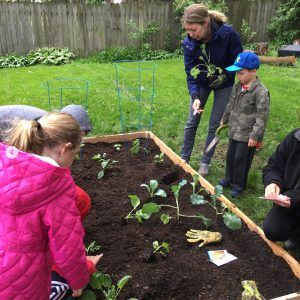
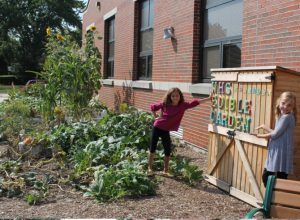
The GardenWorks Project defines a community garden as any place where people garden in a group setting – schools, neighborhoods, businesses. We wish to provide community gardeners with inspiration, education, and support so that you can start your gardens and maximize your harvests.
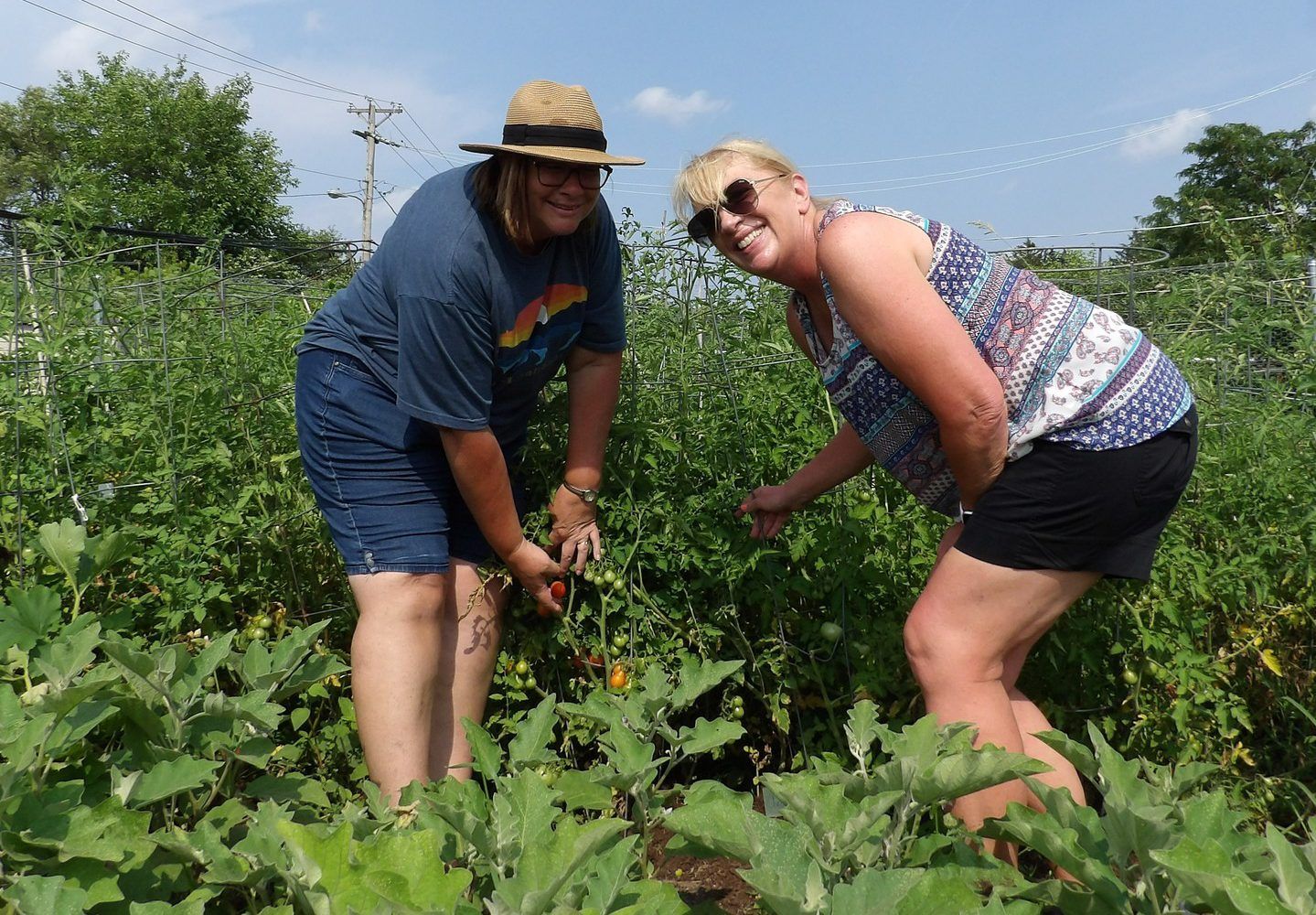
Support Your Community Garden
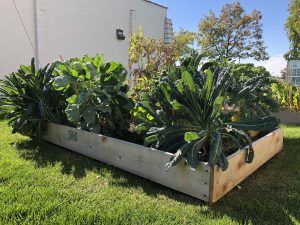
Community Garden Supplies
Each community garden project has receive the following:
- 4 handmade, 4’ x 8’ x 8” cedar raised-bed frames along with soil and compost
- 20 free seed packets
- Discounted seedlings at our Spring Seedling Sale (May 16th, West Chicago)
- 20% off additional raised-bed garden frames available for sale at our Resource Center
- Free attendance to all GardenWorks Project educational offerings
If you are already a community gardener and want to get more engaged in the greater community network, join our Facebook page, Grow DuPage Community Garden Network today.
Community Gardening
Starting 2017, The GardenWorks Project began supporting community gardeners with their local projects, offering resources and materials to support their vision. Since 2017, The GardenWorks Project has supported the following organizations:
garden grant Partners
Alphabetical Order
- Christ the Servant Church (Woodridge)
- Compass Church (Bolingbrook)
- College of DuPage (Glen Ellyn)
- Elmhurst College (Elmhurst)
- Gary Memorial United Methodist Church (Wheaton)
- Horizon Elementary School (District U-46) (Hanover Park)
- Madison Elementary School (Lombard)
- Mercy Housing (Wheaton)
- Park View Elementary School-Lombard (Lombard)
- Whittier Elementary School (Downers Grove)
- Winfield Community United Methodist (Winfield)
The GardenWorks Project partners with 40 area food pantries and social service organizations to identify clients who are both in need of food assistance and want to grow their own food. We are proud to partner with the following organizations:
pantry Partners
Sorted by Location
Addison Township
Aurora
Bloomingdale
Carol Stream
Elmhurst
Glendale Heights
Lombard
Wheaton
Community Garden Resources
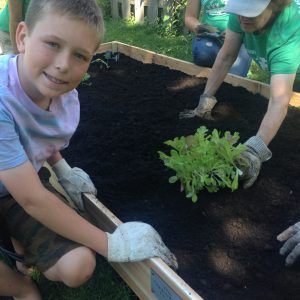
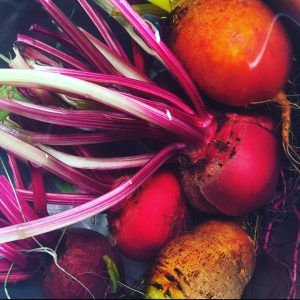
Donate Produce for Pantries
According to the 2015 U.S. Census Bureau, 42.2 million Americans are living in food insecure households, including 13.1 million children. Food pantry clients are at the highest risk for inadequate intake of fruits and vegetables, as the non-perishable foods that fill the shelves do not provide the nutrients of fresh produce. In order to improve food access in our community, The GardenWorks Project emphatically encourages home and community gardeners to donate excess harvest to food pantries.
There are approximately 42 million home and community gardeners in the U.S., with estimates of 11.47 billion pounds of excess produce annually. Based on estimates that individuals should consume 415 pounds of vegetables per year, the excess produce that can be donated by gardeners could potentially provide vegetables for over 27.5 million people. Home gardeners in DuPage County can make a difference by expanding their gardens for the purpose of donating their extra produce to a local food pantry.
Increasing yields is simple with the resources provided by the GardenWorks Project Food Growers Network. We offer our members access to gardening tools, seeds, books, and discounts on seedlings and raised bed garden frames.
When you find yourself with extra produce throughout the year, consider donating to your local food pantry. Your produce can inspire more growers and provide healthy food for the 74,000 food insecure in DuPage County. Any amount of produce is helpful and needed.
Related reading: Ahmed, Selena and Byker Shanks, Carmen. Stop Wasting Food: Ending Hunger by Donating Excess Garden Produce. Ampleharvest.org
Harvesting
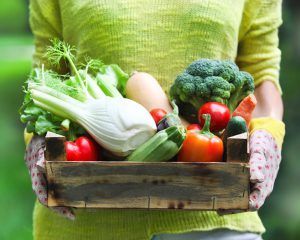
- The best time to harvest is in the morning before veggies heat up too much.
- For leafy greens, pull off damaged or yellowed leaves at harvest. Submerge them in cool water to remove heat shortly after harvest to prevent wilting.
- If harvesting more than 12 hours before you plan to make a delivery, see chilling storage tips below.
- Not all produce should be washed after harvest, see the guide below.
- Rule of thumb for produce quality: donate produce that you would eat. Some holes and light damage is okay; no bugs.
Preparing
- Wash (if needed) and refrigerate: All greens, bok choi, broccoli, cauliflower, brussels sprouts, cabbage, leeks, carrots, beets, turnips, radishes, parsnips, beans, celery, cucumbers, eggplant, peppers, squash
- Wash but don’t chill: Potatoes, sweet potatoes (dry thoroughly and store in dark, dry place)
- Don’t wash, do refrigerate: Peas, corn, okra
- Don’t wash or refrigerate: Tomatoes, garlic, onions
Transporting
- Contact the pantry in your area to ask the days/hours that they accept donations.
- If possible, bundle produce into 1 pound bags or rubber band in 1 pound bunches. Loose produce is welcome at most places as well, call first to check.
- Please deliver produce in a clean bin, most pantries will have a bin to transfer it into upon arrival.
- Send us an email at info@gardenworksproject.org and let us know what you donated, and to what pantry. It helps us to have an idea of how much produce gets donated from folks in the GardenWorks Food Growers Network.
- Ask to volunteer at the pantry if you’d like!
Check out our more comprehensive Resource Guide on Harvesting and Donating Produce!

Other Community Garden Grants & Education
The community gardening movement continues to grow, and The GardenWorks Project would like all groups in our region to be well-equipped with all they need to succeed. Below is a list of other grants and educational sites that support the community gardening effort nation-wide:
- SeedMoney
- Ioby
- Project Orange Thumb
- Home Depot Community Impact Grants
- Captain Planet Foudation
- Carton 2 Garden Contest
- Youth Garden Grant
- Farm to School Grant
- Scott’s Miracle Grow GRO1000 Grant
- The Kitchen Community’s Learning Garden
- Lowe’s Toolbox for Education
- Whole Kids School Garden Grants
- Green Thumb Challenge Grant
- USDA Farm to School Grant Program
- Katie’s Krops
- Yard Care Life- Gardening with Kids
COMMUNITY RESOURCES
The GardenWorks Project is just one of many area organizations involved in the fight to end hunger and/or support the sustainable food movement.
Information about Obtaining Seeds and Plants with SNAP
Community Hunger Network – A network of emergency food providers working to provide quality food and nutrition to those in need. Includes a list of all food pantries in DuPage County.
DuPage County Community Gardens – A helpful brochure on community gardens in DuPage County.
Gardening Resource for Kids – Want to get your children more involved in gardening? Check out our resource on how to get your children excited about getting out to the garden!